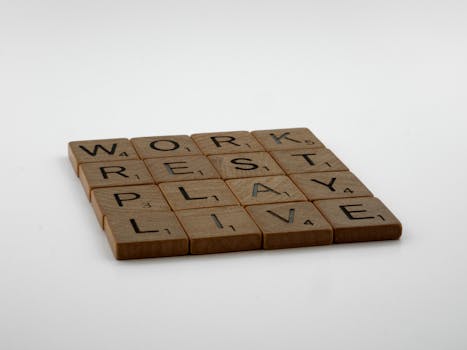
Finding True Balance: Practical Strategies for Harmonizing Work and Personal Life
The quest for work-life balance is one of today’s most talked-about challenges. With the rise of remote work, always-on technology, and shifting cultural expectations, the boundaries between our careers and personal lives have become increasingly blurred. According to a 2023 Gallup survey, 61% of employees report struggling to maintain healthy boundaries between work and home. The consequences are real: chronic stress, lower productivity, and strained relationships.
Yet, achieving work-life balance isn’t just about working fewer hours or taking more vacations. It’s about creating a sustainable, fulfilling rhythm that allows you to excel professionally without sacrificing personal well-being. In this article, we’ll explore actionable strategies, highlight key statistics, and provide clear comparisons to help you find harmony between work and life—no matter your circumstances.
The Importance of Defining Your Own Balance
Before diving into tactical advice, it’s crucial to recognize that “balance” is highly personal. What works for one person may be stressful or unsatisfying for another. For example, a recent FlexJobs survey found that 44% of workers define success as “having a healthy work-life balance,” while 28% prioritize “earning a high salary.” These differing definitions show why balance isn’t one-size-fits-all.
.png)
Start by identifying your core values and priorities. Consider these guiding questions:
- What non-negotiable activities or relationships bring you fulfillment outside of work? - Does your job energize you or leave you drained at the end of each day? - What would a “perfect week” look like for you, balancing both professional and personal needs?Clarifying your own definition of balance creates a foundation for all other strategies. It helps you set boundaries, make decisions, and communicate your needs effectively—both at home and at work.
Understanding the Cost of Imbalance
Why does balance matter? Chronic imbalance doesn’t just impact your mood—it can have profound effects on your health, productivity, and relationships. Here are some compelling statistics:
- The World Health Organization recognizes burnout as an occupational phenomenon, with symptoms including exhaustion, cynicism, and reduced professional efficacy. - A Harvard Business School study found that 94% of working professionals reported working more than 50 hours per week, and nearly half worked more than 65 hours weekly, leading to increased rates of anxiety and depression. - The American Psychological Association reports that employees with poor work-life balance are 2.4 times more likely to report frequent stress-related health issues.The effects reach beyond the individual, impacting families and organizations. Businesses with higher employee well-being see 21% greater profitability and 41% lower absenteeism, according to Gallup’s 2022 State of the Global Workplace report.
Setting Boundaries in a Connected World
With smartphones, laptops, and collaboration tools, it’s easy to be “always on.” But without clear boundaries, work can seep into every moment, eroding downtime and personal relationships. Here are some practical ways to set—and stick to—healthy limits:
- Establish “work hours” and communicate them to colleagues and family. For example, set a rule of no work emails after 6 p.m. - Create a physical boundary, such as a dedicated workspace at home. A Stanford study found that people who physically separate work and personal spaces report 25% higher satisfaction with their work-life balance. - Use technology wisely: turn off notifications after hours, or use scheduling tools to delay responses until the next workday.Employers can also play a role by modeling healthy boundaries, respecting time off, and encouraging digital disconnection during vacations or weekends.
Time Management: Prioritizing What Matters Most
Time is our most precious resource. Yet, a 2023 RescueTime survey found that the average knowledge worker spends only 2 hours and 48 minutes of truly focused time per day. The rest is often lost to meetings, emails, or multitasking. To reclaim your day:
- Use time-blocking techniques to allocate specific periods for deep work, meetings, and personal tasks. - Follow the 80/20 rule (Pareto Principle): Identify the 20% of tasks that yield 80% of your results, and prioritize those. - Schedule “buffer zones” between tasks and meetings to avoid burnout and allow for transition time.Here’s a comparison of common time management strategies:
| Strategy | Key Feature | Best For | Potential Drawback |
|---|---|---|---|
| Time Blocking | Assigns fixed time slots to tasks | People who like structure | May feel rigid or inflexible |
| Pomodoro Technique | 25-min focus, 5-min break cycles | Boosting focus, reducing fatigue | Interrupts deep work for some tasks |
| Eisenhower Matrix | Prioritizes tasks by urgency/importance | Clarifying priorities | Can be time-consuming to categorize |
| Batch Processing | Groups similar tasks together | Reducing context-switching | Requires planning ahead |
Experiment with these methods to find a rhythm that suits your work style and personal commitments.
The Role of Employers and Organizational Culture
While individuals bear responsibility for their own balance, employers play a crucial role in shaping the work environment. Cultures that value flexibility, autonomy, and employee well-being yield better business results and happier, healthier teams.
Some concrete ways organizations can support balance include:
- Flexible scheduling: According to the Society for Human Resource Management, 89% of employees say flexible work arrangements improve their work-life balance. - Results-oriented work environments: Focusing on output rather than hours spent fosters autonomy and reduces presenteeism. - Mental health support: Programs like Employee Assistance Plans (EAPs) and wellness initiatives can reduce stress and burnout.Leaders set the tone. When managers model healthy boundaries, take time off, and respect personal time, teams are more likely to feel empowered to do the same.
Integrating Self-Care and Personal Growth
Work-life balance isn’t just about preventing burnout—it’s about nurturing growth and happiness outside of work. Engaging in meaningful activities, hobbies, and relationships replenishes energy and boosts resilience. Scientific studies show that people who regularly pursue creative or social interests outside work have 32% lower rates of stress-related illness.
Some ways to integrate self-care and personal growth:
- Schedule regular “non-work” appointments with yourself for hobbies, exercise, or reflection. - Invest in personal development, such as learning a language, volunteering, or pursuing a passion project. - Practice mindfulness, meditation, or relaxation techniques to reset your mind.Remember, balance is dynamic. As life circumstances shift—whether due to a new job, family changes, or health events—adjust your routines and expectations accordingly.
Final Thoughts: Creating Sustainable Balance for the Long Run
Finding balance between work and personal life is not about achieving a perfect 50/50 split every day. Instead, it’s about making intentional choices, setting boundaries, and remaining flexible as life evolves. By defining your own priorities, managing your time effectively, and advocating for supportive organizational cultures, you can build a sustainable and rewarding life—one where both career and personal fulfillment thrive.
Remember, small changes add up. Even modest adjustments, like unplugging after dinner or blocking out time for a weekly hobby, can have a significant impact over time. Start with one or two strategies from this article, track your progress, and adjust as needed. The journey to balance is ongoing, but with attention and effort, it’s well within reach.