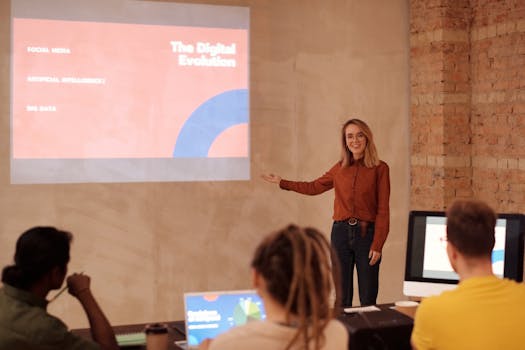
As we navigate through the 21st century, the landscape of the workforce is undergoing a significant transformation, driven by relentless technological advancements and shifting economic currents. The notion of upskilling has emerged not merely as a beneficial strategy but as a crucial survival skill in this era of incessant change. Whether it’s an individual striving to stay relevant in their career or a company ensuring its workforce remains competitive, upskilling is the linchpin in the machinery of modern professional development.
Understanding Upskilling
At its core, upskilling is the process of acquiring new and relevant skills required to thrive in one's current or future job role. Unlike reskilling, which redirects a career path entirely, upskilling is about enhancing and building on existing skills to keep pace with industry evolution. This distinction underscores a commitment to continuous professional growth, adapting to new demands while expanding one’s competency horizon.
.png)
The Imperative of Upskilling
Why prioritize upskilling? The reasons are manifold. For individuals, upskilling is a gateway to career advancement, higher job satisfaction, and enhanced employability in a volatile job market. For businesses, it cultivates a more skilled workforce, drives innovation, and reduces employee turnover, ultimately impacting the bottom line positively.
The digital revolution, in particular, underscores the urgency for upskilling. With digital technologies permeating every sector—from healthcare and finance to education and marketing—the demand for digital proficiency spans all job categories. Moreover, as automation and AI begin to automate routine tasks, there is a growing premium on soft skills such as critical thinking, creativity, and leadership.
Strategies for Effective Upskilling
- Embrace Lifelong Learning: Cultivating a mindset of continuous learning is vital. This can be supported by formal educational avenues or through self-directed learning and on-the-job training.
- Utilize Online Learning Platforms: Digital education platforms like Coursera, Udemy, and LinkedIn Learning offer a plethora of courses that cater to a diverse range of skills, allowing learners to progress at their own pace.
- Engage in Mentorship and Networking: Insights gained from mentors and peers can be invaluable. Additionally, networking can unlock new professional opportunities and collaborations.
- Develop Customized Learning Paths: Organizations should tailor learning and development to the individual goals of employees aligning with the company’s objectives, thereby maximizing engagement and effectiveness.
- Foster a Learning Culture: Companies that encourage continuous learning and recognize educational endeavors often see more profound benefits from their upskilling initiatives. This includes providing resources and time for employee learning.
The Future is Now
The trajectory of the job market continues to evolve, driven by technological innovation and global economic shifts. For both individuals and organizations, the ability to adapt through upskilling is not just an advantage—it's a necessity. By investing in new skills and knowledge, we can position ourselves not just to navigate the future but to help shape it.
Embracing upskilling is more than a strategic decision; it’s a commitment to future-proofing careers and businesses. As we look forward, the focus on continuous improvement and adaptability will be the hallmark of successful careers and companies.