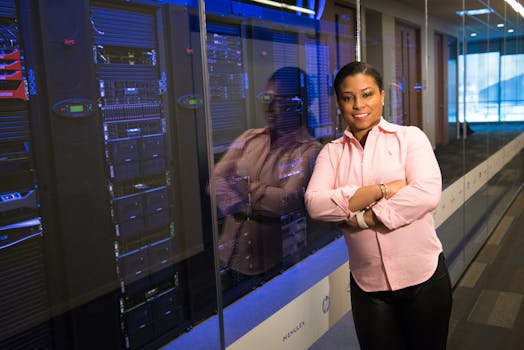
In today's world, technology is evolving at a breakneck pace. Artificial intelligence, automation, remote work platforms, and digital tools are transforming industries and reshaping the job market. While these changes can be daunting, they also open doors to new opportunities—for those who know how to seize them. If you’re considering a career change in this dynamic landscape, preparing strategically is crucial. This article will explore practical, forward-thinking steps you can take to future-proof your career transition and thrive in the age of technology.
Understanding the Technological Shift in the Job Market
The age of technology is characterized by rapid innovation. According to the World Economic Forum’s Future of Jobs Report 2023, 44% of workers’ skills are expected to change within the next five years. Automation is predicted to displace 85 million jobs by 2025, but it will also create 97 million new ones in fields like data analysis, machine learning, and digital marketing.
This seismic shift means certain roles are disappearing while others—often those requiring digital literacy—are booming. For example, demand for software developers, data analysts, and cybersecurity experts is skyrocketing. At the same time, routine jobs such as data entry and basic manufacturing are being automated.
.png)
If you’re planning a career change, understanding these trends is the first step. Ask yourself:
- Which industries are growing due to technological innovation? - What skills are becoming obsolete? - Which roles require uniquely human abilities, such as critical thinking, creativity, or emotional intelligence?A well-informed perspective will help you choose a path with long-term potential.
Identifying and Closing Your Skill Gaps
One of the greatest challenges during a career transition is identifying the skills you need—and how to acquire them efficiently. Start by conducting a skills inventory: assess your current abilities, then compare them with the requirements of your target field.
For example, suppose you’re moving from retail management to UX design. You may already possess valuable soft skills, such as communication and problem-solving. However, you will likely need to build technical competencies like wireframing, prototyping, and user research.
Here’s a sample comparison table to help you identify gaps:
| Current Role: Retail Manager | Target Role: UX Designer | Skill Gap |
|---|---|---|
| Team Leadership | Project Management | Minimal (Transferable) |
| Customer Service | User Research | Medium (Requires Training) |
| Inventory Management | Wireframing & Prototyping | High (New Skills Needed) |
Once you know your gaps, take action. Online platforms such as Coursera, edX, and Udacity offer courses in everything from coding to digital marketing. According to LinkedIn Learning, 57% of professionals increased their use of online learning in 2023. Micro-credentials and certificates can also provide targeted, industry-recognized skills.
Don’t forget practical experience: volunteer for tech-driven projects or freelance to build your portfolio. Real-world application is key to mastering new competencies.
Leveraging Technology for Career Exploration and Networking
Gone are the days when job hunting meant scanning newspaper ads. Today, technology empowers career changers with a wealth of digital resources:
- AI-powered career assessment platforms (like Pymetrics or Traitify) can help you pinpoint roles that match your strengths and interests. - Virtual job fairs and online communities (such as Slack groups or LinkedIn forums) connect you with industry insiders and potential employers. - VR and AR applications increasingly offer job simulations, letting you try out new professions before committing.Networking remains essential, but in a tech-driven era, it’s smarter and more scalable. According to Jobvite’s 2023 Job Seeker Nation Report, 54% of successful candidates found their jobs through networking—often via social platforms.
To maximize your efforts:
1. Optimize your LinkedIn profile with keywords relevant to your new field. 2. Attend webinars, online workshops, and virtual meetups. 3. Reach out to professionals for informational interviews via platforms like Lunchclub or Shapr. 4. Share your learning journey on social media—this can catch the eye of recruiters looking for proactive candidates.Remember, technology is not just the subject of your career change. It’s also the tool that can make your transition successful.
Building a Digital-First Mindset
Succeeding in the age of technology isn’t just about hard skills. Employers are seeking candidates who demonstrate adaptability, curiosity, and a willingness to embrace change.
A digital-first mindset means:
- Being comfortable with ambiguity and rapid shifts in technology. - Proactively learning new tools and platforms, even outside your comfort zone. - Staying updated on industry trends through podcasts, newsletters, and thought leaders on Twitter or LinkedIn. - Experimenting with automation tools, AI assistants, and productivity apps to streamline your workflow.For example, someone transitioning into HR might learn to use applicant tracking systems (ATS) or AI-driven recruitment software. An aspiring marketer could experiment with social media analytics tools.
According to a 2023 PwC survey, 77% of CEOs believe that the ability to adapt to new technologies is the most critical skill for employees in the next decade. Demonstrating this mindset can set you apart from other candidates and position you as a future-ready professional.
Rebranding Yourself for the Tech-Driven Market
As you prepare for a career change, how you present yourself is just as important as what you know. Traditional resumes are giving way to dynamic, tech-savvy portfolios.
Consider these strategies:
- Build a personal website showcasing your projects, certifications, and testimonials. - Create digital artifacts—slideshows, code samples, design mockups, or analytics dashboards—to demonstrate your skills. - Record a short video introduction explaining your career pivot and unique value proposition. - Leverage digital badges and micro-credentials on platforms like Credly or LinkedIn.It’s also important to craft a compelling narrative. Employers are increasingly interested in “career stories” that explain not just your qualifications, but your motivation for change. Articulate how your past experiences, even in unrelated fields, give you a distinctive edge in your new chosen industry.
For example, a teacher moving into instructional design can highlight an in-depth understanding of learning psychology, classroom technology, and curriculum development.
Navigating Potential Pitfalls and Managing Change
Changing careers in the age of technology isn’t without its challenges. Common pitfalls include:
- Underestimating the time and effort required to reskill. - Failing to build a professional network in your new field. - Struggling with imposter syndrome or self-doubt during the transition.To mitigate these risks:
- Set realistic timelines for your career change—research shows the average mid-career pivot takes 12-18 months. - Seek mentors or join peer groups for support and accountability. - Celebrate small wins and track your progress to stay motivated.Financial planning is also crucial. According to the Federal Reserve’s 2023 Report on Economic Well-Being, 37% of Americans who changed jobs experienced temporary income loss. Build a buffer fund or explore gig work as a bridge during your transition.
Finally, embrace a mindset of lifelong learning. Technology will continue to evolve, so view your career as a journey, not a destination.
Future-Proofing Your Career Change: The Road Ahead
Preparing for a career change in the age of technology demands more than just technical training. It requires a blend of digital skills, adaptability, and strategic self-presentation. By understanding industry trends, closing your skill gaps, leveraging digital tools, adopting a growth mindset, and proactively building your network, you can position yourself for long-term success in a rapidly changing world.
Remember, while the pace of technological change can feel overwhelming, it also means new opportunities are emerging every day. With the right preparation, your career change can be the launchpad to a more resilient, fulfilling, and future-ready professional life.