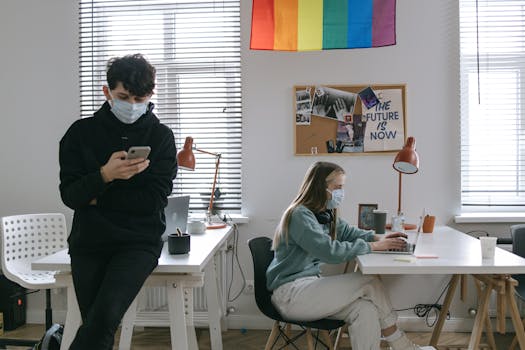
The COVID-19 pandemic dramatically reshaped the global workplace, accelerating changes that might otherwise have taken years to unfold. As the dust settles, organizations and individuals alike are discovering that the "new normal" at work is anything but static. From hybrid work arrangements to digital upskilling and a greater focus on employee well-being, adapting to new work trends post-pandemic is essential for career resilience and business success. In this article, we’ll explore how you can thrive amid ongoing change, examining the latest trends, practical strategies, and what the numbers reveal about the evolving work landscape.
Understanding the Shifting Work Landscape After the Pandemic
The pandemic’s upheaval did more than force temporary work-from-home setups; it fundamentally altered expectations and possibilities in the world of work. According to a 2022 McKinsey study, over 58% of Americans reported having the opportunity to work from home at least one day per week, a dramatic increase from pre-pandemic norms. Globally, Gartner found that 74% of CFOs intended to shift at least 5% of previously on-site employees to permanently remote positions.
But remote work is just one aspect. Other trends include:
- Rapid digitization across industries - Greater emphasis on results over hours logged - Heightened focus on mental health and flexibility - Increased investment in employee learning and developmentThese trends aren’t fleeting—they’re shaping hiring, management, and career growth strategies for years to come. Adapting means understanding these shifts, but more importantly, leveraging them for personal and organizational advancement.
.png)
Embracing Flexible Work Models: Beyond Remote and Hybrid
The most visible shift is the adoption of flexible work models. While remote and hybrid arrangements grab headlines, flexibility now means much more:
- Compressed workweeks (e.g., four 10-hour days) - Flexible start and end times - Job sharing and part-time options - Outcome-based performance metricsA 2023 survey by Owl Labs found that 62% of employees prefer hybrid work, while only 19% want to return to the office full-time. Companies that accommodate these preferences tend to see higher retention and engagement.
Here’s how different flexible models stack up:
| Work Model | Employee Preference (2023) | Common Industries | Key Benefits |
|---|---|---|---|
| Fully Remote | 19% | Tech, Marketing, Finance | No commute, global talent pool |
| Hybrid | 62% | Professional Services, Education, Healthcare | Flexibility, social interaction |
| On-Site | 19% | Manufacturing, Hospitality | Hands-on collaboration, direct supervision |
To adapt, employees should proactively communicate their preferences and productivity patterns to managers, while organizations should create clear, transparent policies that support a variety of arrangements.
Investing in Digital Skills and Lifelong Learning
The pandemic’s digital acceleration is undeniable. LinkedIn’s 2023 Workplace Learning Report found that 89% of Learning & Development professionals believe proactively building employee skills will help navigate the evolving future of work.
Key areas of focus include:
- Digital collaboration tools (e.g., Slack, Microsoft Teams, Zoom) - Cybersecurity awareness - Data literacy and analytics - AI and automation fundamentalsFor individuals, this means embracing continuous learning. Consider the following strategies:
- Enroll in online courses or micro-credentials (Coursera, LinkedIn Learning, Udemy) - Attend virtual industry conferences and webinars - Participate in internal upskilling programs - Seek mentorship and peer learning opportunitiesEmployers can foster a learning culture by providing tuition reimbursement, setting aside paid hours for learning, and recognizing skills development in performance reviews. According to IBM, companies that invest in employee training see a 10% increase in productivity and a 24% higher profit margin compared to those that do not.
Prioritizing Employee Well-Being and Psychological Safety
One of the pandemic’s most profound lessons was the importance of mental health and psychological safety at work. The World Health Organization reported a 25% global increase in anxiety and depression in 2020 alone. In response, organizations have expanded employee assistance programs, introduced wellness initiatives, and encouraged candid mental health conversations.
Key strategies for adapting include:
- Regular check-ins and open communication with managers - Setting boundaries to prevent burnout (e.g., defined work hours, “right to disconnect” policies) - Leveraging mental health resources, such as counseling or mindfulness apps - Participating in wellness programs (virtual fitness, stress management workshops)For leaders, fostering psychological safety means modeling vulnerability, encouraging feedback, and ensuring that mistakes are treated as learning opportunities. A Google study on high-performing teams found that psychological safety is the number one factor distinguishing successful teams.
Redefining Career Paths and Performance Metrics
As work trends shift, so do traditional notions of career progression and success. Linear paths and time-based promotions are giving way to skills-based advancement, project-based work, and portfolio careers.
Notable post-pandemic changes include:
- Emphasis on transferable skills (critical thinking, adaptability, communication) - Broader use of project-based assignments and cross-functional teams - Frequent, informal feedback replacing annual reviews - Greater recognition of employee contributions, regardless of locationIndividuals should take ownership of their career development by:
- Regularly updating their skills inventory and personal brand - Seeking stretch assignments and lateral moves to build breadth - Documenting achievements and impact, not just tenureOrganizations can support these efforts with transparent career frameworks, access to coaching, and by celebrating diverse career journeys.
Navigating New Technologies and the Rise of AI
Artificial intelligence, automation, and other emerging technologies are transforming every industry, creating both challenges and opportunities. According to the World Economic Forum’s Future of Jobs Report 2023, 85 million jobs may be displaced by automation by 2025—but 97 million new roles could emerge that are more adapted to the new division of labor between humans, machines, and algorithms.
Top areas for adaptation include:
- Upskilling for human-AI collaboration (e.g., using AI tools for research or productivity) - Focusing on roles that require emotional intelligence, creativity, and problem-solving - Staying alert to industry-specific tech trends and their implicationsFor example, marketing professionals now increasingly use AI-powered analytics to optimize campaigns, while HR teams rely on predictive tools for recruitment. Those who embrace these technologies early will be better positioned for the future.
Final Thoughts: Thriving Amid Ongoing Change in the Post-Pandemic Workplace
Adapting to new work trends post-pandemic isn’t simply about surviving disruption—it’s about leveraging change for growth, satisfaction, and long-term success. Whether you’re an employee, manager, or business leader, embracing flexibility, continuous learning, and well-being is non-negotiable in the modern landscape. By proactively developing digital skills, supporting mental health, and redefining what career success looks like, you’ll be well-equipped to thrive no matter what the future brings.