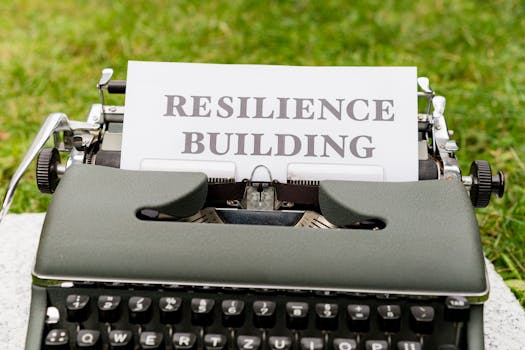
Why Emotional Resilience is Crucial in the Workplace
In today's fast-paced and often high-pressure work environments, emotional resilience stands out as a critical skill that can markedly influence an individual's ability to succeed and thrive. Emotional resilience refers to the ability to cope with stress, adapt to challenges, recover from setbacks, and manage emotional upheaval effectively. This skill not only enhances personal well-being but also significantly impacts professional performance and workplace dynamics. Here, we explore why emotional resilience is so important at work and how it benefits both employees and organizations.
Understanding Emotional Resilience
.png)
Emotional resilience is not about avoiding emotions or setbacks; rather, it's about navigating through emotional disturbances efficiently and recovering quickly from them. It involves maintaining a level of steadiness and continuing to function optimally despite challenges. Resilient individuals are able to view failures as temporary setbacks from which they can learn and grow, rather than as defining events.
Benefits of Emotional Resilience at Work
- Improved Performance: Resilient workers tend to maintain a steady level of performance even under stress. They are more adaptable to change and can manage unforeseen challenges without significant drops in productivity. This adaptability can be particularly valuable in roles that require quick thinking and flexibility.
- Enhanced Problem-Solving Skills: Emotional resilience is linked with a better ability to handle problems as they arise. Resilient individuals have a proactive approach to problem-solving, often anticipating potential issues and developing strategies to overcome them. This proactive nature prevents small issues from becoming larger problems.
- Reduced Burnout: Emotional resilience helps in managing stress more effectively, which can reduce the risk of burnout. Burnout is a significant issue in many industries, particularly those with high stress levels like healthcare, finance, and technology. By fostering resilience, organizations can keep their employees healthier and more engaged.
- Positive Workplace Relationships: Those who are emotionally resilient are generally more positive and supportive in their interactions with colleagues. They are better at handling conflicts constructively and less likely to react negatively during stressful situations, which contributes to a more harmonious workplace.
- Leadership Development: Emotional resilience is a key trait for effective leadership. Resilient leaders are better equipped to lead through crises, motivate their teams under challenging circumstances, and inspire confidence. They are also more likely to handle the pressures of leadership without becoming overwhelmed.
Cultivating Emotional Resilience
Building emotional resilience is beneficial not only for individual employees but also for the management and the entire organization. Here are some strategies for fostering this essential skill:
- Promote a Positive Work Environment: Organizations should strive to create a culture that promotes positivity and support among employees. Recognition of efforts, constructive feedback, and encouragement of team collaboration can contribute to this.
- Encourage Work-Life Balance: Employees who have a healthy work-life balance are more likely to be resilient. Companies can support this by offering flexible working options, ensuring reasonable workloads, and encouraging regular breaks and vacations.
- Provide Resources for Mental Health: Access to counseling services, stress management workshops, and training programs focused on building resilience can help employees manage work-related pressures more effectively.
- Develop Communication Skills: Effective communication can alleviate many workplace stresses. Training in communication helps employees express their needs and concerns without conflict, contributing to overall resilience.
- Support from Leadership: Leaders play a crucial role in setting the tone for resilience within the team. By demonstrating resilience themselves, leaders can set a powerful example for their teams.
Conclusion
Emotional resilience is more than just a personal trait; it's a crucial component of a successful, sustainable work environment. As businesses continue to face rapid changes and pressures, the ability to remain emotionally resilient becomes increasingly important. Organizations that invest in building and maintaining a resilient workforce can expect to see not only enhanced individual well-being but also improved organizational health and productivity. As we look towards the future of work, fostering emotional resilience is not just beneficial; it is essential.